Hidden Business Challenges That Slow Company Growth Without You Realizing It
Many businesses believe growth problems usually happen because of low sales, limited budgets, or strong competition. While these factors can affect performance, they are not always the real reason behind slow business growth.
Sometimes companies have customers, employees, and opportunities, but they still struggle to move forward. The problem often exists behind the scenes. Small operational gaps that seem unimportant at first can slowly become larger issues over time.
As businesses expand, these hidden challenges begin affecting productivity, communication, customer experience, and overall efficiency. Many organizations focus heavily on visible goals such as increasing revenue, expanding into new markets, or launching new services. However, the systems supporting those goals often receive less attention. Over time, these overlooked areas begin creating barriers that prevent businesses from operating at their full potential.
Understanding these challenges early can help businesses create stronger systems and avoid future problems.
Poor Communication Creates Bigger Problems Than Most Businesses Expect
Communication affects every area of a company.
Employees need information to complete tasks properly. Managers need updates to make decisions. Customers expect quick responses and clear answers.
When communication becomes slow or unclear, small issues can quickly turn into larger problems.
Projects may become delayed, teams can misunderstand priorities, and customer satisfaction can decrease.
Reliable communication systems help businesses maintain smoother workflows and improve collaboration between departments and teams.
Strong communication is not simply about exchanging information. It is about ensuring everyone moves in the same direction.
Communication problems can also create confusion among employees regarding expectations and responsibilities. When teams do not receive accurate information at the right time, productivity naturally decreases. Businesses that encourage stronger communication practices often experience improved teamwork and faster problem-solving.
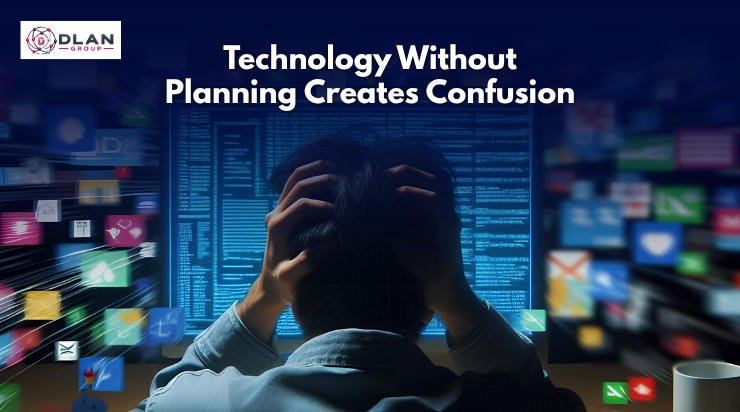
Technology Without Planning Creates Confusion
Many companies adopt new software and systems, hoping to improve performance.
However, adding technology without proper planning often creates unexpected challenges.
Different systems may not work together properly. Employees may struggle with adoption, and organizations can spend unnecessary money on tools that do not solve real business problems.
Technology should support business goals rather than complicate them.
Organizations that create clear strategies before adopting technology often achieve stronger long-term results.
Businesses sometimes become attracted to new technologies simply because they appear modern or popular. However, successful technology adoption depends on understanding business needs first. A well-planned strategy allows organizations to choose solutions that improve operations instead of creating additional complexity.
Security Risks Continue Growing
Modern businesses manage more digital information than ever before.
Customer records, payment details, employee information, and internal documents all move through digital systems daily.
Without proper protection, organizations become vulnerable to security risks that can affect operations and customer confidence.
Strong cybersecurity solutions help businesses protect sensitive information and reduce operational disruptions.
Security has become one of the most important foundations for business stability.
Cyber threats continue evolving as businesses become more dependent on digital systems. Security incidents can create financial losses and damage trust that may take years to rebuild. Businesses that prioritize protection create safer environments for both customers and employees.

Outdated Infrastructure Can Slow Growth
Many businesses continue using systems that worked well years ago but no longer support modern operational requirements.
As organizations expand, outdated systems often create limitations.
Teams may struggle with accessibility, collaboration becomes difficult, and processes can become slower.
Cloud solutions help businesses create more flexible environments that support growth and improve efficiency.
Modern infrastructure allows organizations to adapt quickly while maintaining performance.
Outdated systems can also reduce employee productivity because teams spend more time dealing with technical limitations rather than focusing on valuable work. Investing in modern infrastructure creates opportunities for faster operations and better collaboration.
Customer Experience Influences Business Success
Customers today expect more than quality products and services.
They expect fast responses, smooth experiences, and reliable support.
A poor customer experience can affect trust even when a company provides excellent products.
Businesses that focus on improving experiences often create stronger customer relationships and increase loyalty over time.
Small improvements in communication, responsiveness, and operational efficiency can create significant impacts.
Customers are more likely to remember experiences than individual transactions. Organizations that consistently create positive experiences often strengthen their reputation and encourage long-term customer relationships.

Transportation Also Affects Professional Experiences
Business operations extend beyond office environments.
Executives travel frequently, important meetings happen outside workplaces, and clients often judge businesses based on overall experiences.
Professional transportation services through GCS Transfer help organizations provide reliable and comfortable travel experiences.
Professional transportation creates stronger impressions and improves convenience for both teams and clients.
Reliable transportation also reduces scheduling challenges and helps businesses maintain professionalism during important interactions.
Reliable Automotive Systems Support Daily Operations
Organizations that rely on transportation systems understand the importance of reliability.
Vehicle-related delays and operational disruptions can directly affect productivity.
Through Automotive Parts Group (APG) businesses can access automotive solutions designed to improve performance and long-term efficiency.
Reliable systems contribute directly to smoother operations and reduced downtime.
Businesses that depend on transportation require systems that perform consistently because even small disruptions can create larger operational challenges.
Small Problems Often Become Large Challenges
One of the biggest mistakes businesses make is ignoring small operational issues.
Minor communication gaps, outdated systems, weak security measures, and inefficient processes may appear manageable initially.
Over time these small challenges can affect growth, employee performance, and customer experiences.
Businesses that identify and solve problems early create stronger foundations for long-term success.
Organizations that regularly evaluate their systems and processes often discover opportunities for improvement before issues become major obstacles.
Final Thoughts
Growth does not slow down because of one major problem alone.
Most businesses experience challenges because of multiple smaller issues working together behind the scenes.
Organizations that invest in stronger systems, reliable support services, and connected solutions position themselves for better performance and sustainable growth.
Sometimes the biggest opportunities for growth are hidden inside the problems businesses overlook every day.
Businesses that understand these challenges and address them early often create stronger operations, better customer experiences, and more sustainable success over the long term.


Leave a Reply
Want to join the discussion?Feel free to contribute!